The thought of going to a new country is exciting in the beginning. Depending on your budget, delivery time limits, shipping dimensions and destination—along with how much flexibility you may require during the relocation. As your household gets bigger, moving with air freight (the fastest) or sea freight (cheapest) increases aptly. Roads are best for crossing land boundaries and house to house travel.
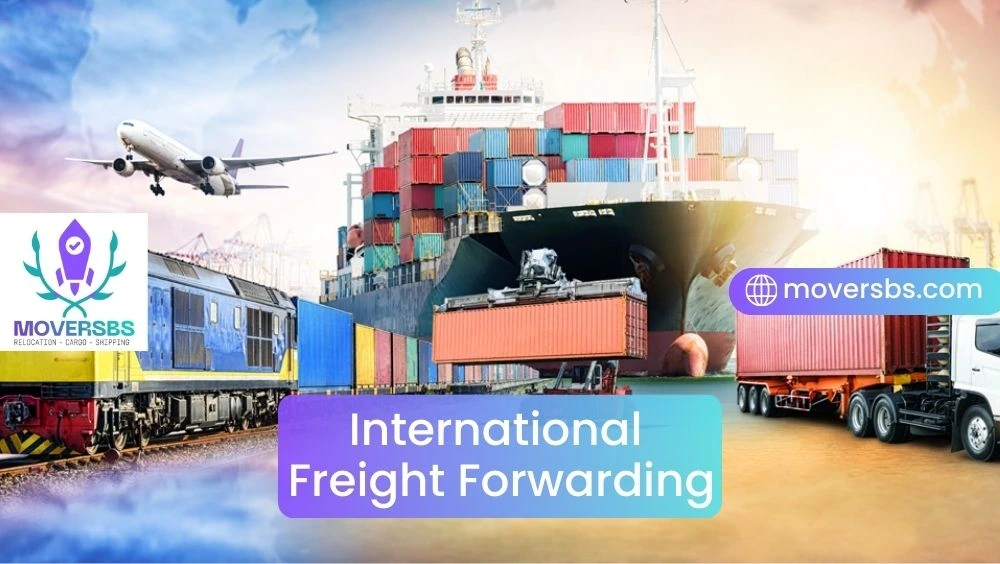
When looking to move, the best solution isn’t always have just one single mode for many families, students and businesses. Air, sea, road — these are combined in most international moves. So, you might air freight your urgent items, put your larger household goods on the sea and use road transport to run picks and deliveries. It ends up being the most common way to strike a proper balance between cost, speed, usability and customs planning.
What Is the Difference Between Sea Freight, Air Freight, and Road Freight?
Sea freight moves things by ocean vessel in containers. Many people choose it for moving their whole house, furniture, and other big things because it has a lot of space and is cheaper for bigger shipments.
Air freight uses cargo planes or commercial flights to move goods. When speed is the most important thing, like for personal items, documents, valuable items, or small shipments, it is best. But it usually costs a lot more than sea freight because prices are closely linked to weight and volume.
Trucks are used to move goods between countries that are connected by land or as part of a multimodal move. It is very helpful for moving within the same area that you can plan things around your needs and have things brought to your door. Get details on International Packers & Movers in Pittsburgh.
Sea Freight for International Moving: Best for Volume and Value
When people want to move internationally for less money, sea freight is usually the best choice for families with a lot of people. Sea freight is usually the cheapest way to move a lot of boxes, appliances, or furniture, or even a whole house. People in the shipping business always say that ocean freight is cheaper and better for big or heavy shipments than air freight.
Sea freight is a good choice for:
- Full-household relocations
- Furniture and bulky items
- Long-distance intercontinental moves
- Non-urgent cargo
- Shared container or full container shipping
Still, there is a trade-off. Ocean shipping takes longer. Transit can stretch from a few weeks to over a month depending on route, port congestion, Customs, and destination handling.
Main advantages of sea freight
- Lower cost for large shipments
- Better for heavy and oversized goods
- Container options for households and commercial cargo
- More practical for complete international relocations
Main drawbacks of sea freight
- Longer transit time
- Port delays may affect schedules
- More planning needed for packing and delivery windows
Air Freight for International Moving: Best for Speed and Urgency
But if you searched for the number one fastest way to move internationally, that can hardly be quad airborne freight. Faster than ocean freight and generally having better schedule frequency (by way of intrinsic flexibility they offer) at key routes, it is the go-to mode for express shipment.
Air freight is often best for:
- Urgent relocations
- Students or professionals moving quickly
- Important documents and essentials
- Small shipments
- High-value personal items
But, as you can imagine, speed does come at a cost. Air freight is more expensive than sea freight and the airline companies increase price for air cargo shipment using block weight or dimensional requirement. A few industry comparisons reference ocean versus air cost discrepancies of enormous proportions for similar cargo. Looking for a International Packers & Movers in Baltimore?
Main advantages of air freight
- Fastest delivery option
- Better for urgent timelines
- Suitable for smaller consignments
- Frequent departures on major routes
Main drawbacks of air freight
- Highest shipping cost
- Weight and size limits matter more
- Not practical for a full household move unless the budget is flexible
Road Freight for International Moving: Best for Regional Routes and Door-to-Door Convenience
In worldwide transfer talks street cargo gets the entire spotlight in different areas, yet it assumes a major job. For moving between neighbouring countries or regions connected by land, road transport is highly efficient.
Road freight is a strong option for:
- Cross-border regional relocations
- European overland moves
- GCC and nearby regional moves
- Door-to-door relocation support
- Flexible delivery scheduling
Main advantages of road freight
- Excellent doorstep convenience
- Flexible pickup and drop-off options
- Useful for short-to-medium international routes
- Good for combined logistics plans
Main drawbacks of road freight
- Limited by geography and border access
- Transit time varies with road conditions and customs checkpoints
- Less practical for intercontinental moves without sea or air support
Sea vs Air vs Road: Which Is Cheapest, Fastest, and Most Practical?
Here is a simple comparison for families and individuals planning an overseas move:
| Factor | Sea Freight | Air Freight | Road Freight |
| Best for | Large household moves, furniture, bulk cargo | Urgent, small, high-value shipments | Regional cross-border moves, door-to-door delivery |
| Speed | Slowest | Fastest | Moderate |
| Cost | Usually lowest for large loads | Usually highest | Varies by route and border conditions |
| Capacity | Excellent | Limited compared with sea | Moderate |
| Ideal move size | Medium to very large | Small to medium | Small to medium, or as part of multimodal |
| Common use | Full relocation | Essentials and urgent items | Pickup, final delivery, land-based moves |
This comparison fits with the current logistics advice, which says that the choice should be based on four main things: how long it will take, how big the shipment is, how much money you have, and how flexible the delivery is.
How to Choose the Right International Moving Method
When you compare moving internationally by sea, air, or road, ask yourself these useful questions:
1. How fast do you need your shipment?
If you need your things in days instead of weeks, choose air freight. If you can plan ahead, sea freight usually costs less.
2. How much are you shipping?
A few boxes or urgent personal effects may justify air shipping. A full household usually fits sea freight far better.
3. What is your budget?
If controlling relocation cost matters most, sea freight often delivers the best value for large loads, while air remains the premium-speed option.
4. Is your destination connected by land?
For nearby countries or regional moves, road freight may be the easiest solution. It also adds convenience to multimodal relocation plans.
5. Can you split the shipment?
Many movers now send essentials by air and the rest by sea. That hybrid strategy reduces stress without sending the entire household on an expensive air shipment. Get details on International Packers & Movers in Washington.
Why Many International Moves Use a Hybrid Strategy
There isn’t always a right way to do things. For example, a family moving to another country might send their passports, clothes, laptops, baby gear, and other important things by air. Their furniture and other less important things would go by sea. Then, the package is picked up at home and brought to the door by road transport. This mixed approach is useful, cheap, and easier to deal with.
Because professional movers often say that it’s better to plan the move in stages than all at once.
Related Articles:
» International Packers & Movers in Indianapolis
» International Packers & Movers in Columbus
» International Packers & Movers in Cleveland
» International Packers & Movers in Kansas City
» International Packers & Movers in San Antonio
Sea vs Air vs Road: The Best Way to Move Internationally
The shipping by sea/ air or road argument has no clear winner. Based on when you need to be out, what you are shipping, where it is going and your cash flow decide on what to do.
Ship via sea freight if you want to save money on a large move. If you want it fast, then opt for air freight. Pick if your route is linked by land However, you need reliable door-to-door assistance due to road transport. Best of both worlds, technically use all three if you want the best.
The easiest or most affordable option for relocating to another country might not be the best. It is the one that fits best into your life, and with the luggage you are carrying, to wherever you need to go at no extra time or cost.