Moving to Hong Kong
Removels - Relocation - Cargo
Planning a move to Hong Kong? Excellent choice. The city blends East-meets-West energy, fast transit, world-class healthcare, and a deep harbor that makes international shipping smooth—when you plan it right. This comprehensive guide walks you through door-to-door international moving, sea freight vs. air freight, customs rules, costs, timelines, housing, schooling, banking, and more. It’s written in clear, natural language, with strong transition flow, minimal passive voice, and plenty of practical tables and figures so you can take action immediately.

12,000+ Reviews 4.8 Rating
1) Why Hong Kong? Quick Snapshot
Before logistics, let’s align on value.
- A hyper-connected hub with flights across APAC and beyond.
- Low import duty on most household goods (subject to rules and inspections).
- Transparent legal system and efficient customs clearance processes.
- Compact geography: door-to-door deliveries reach most districts fast.
- Superb public transport (MTR, buses, trams, Octopus card).
2) Your Move Plan at a Glance (Phase-by-Phase)
A structured plan removes stress. Use this high-level sequence, then drill into details below.
- Survey & Quote → Virtual or in-home volume survey; choose FCL or LCL.
- Packing & Inventory → Professional export packing; create a packing list.
- Freight Booking → Decide sea freight (economical) vs. air freight (fast).
- Insurance → Select All-Risk or Total Loss coverage.
- Export & Transit → Container loading; tracking; weekly status.
- Customs in Hong Kong → Import paperwork; tax assessment (if applicable).
- Delivery, Unpack & Debris Removal → Reassembly; placement; cartons cleared.
- Post-Move Setup → Utilities, mobile, banking, healthcare, schools.
Pro tip: Lock your shipping date 6–8 weeks ahead, especially in summer.
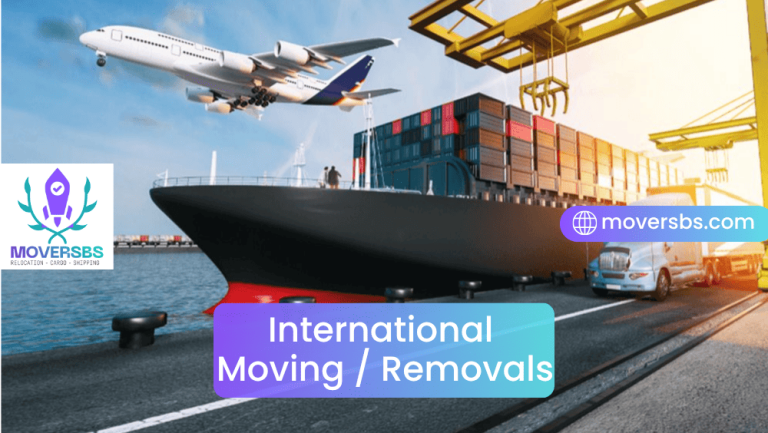
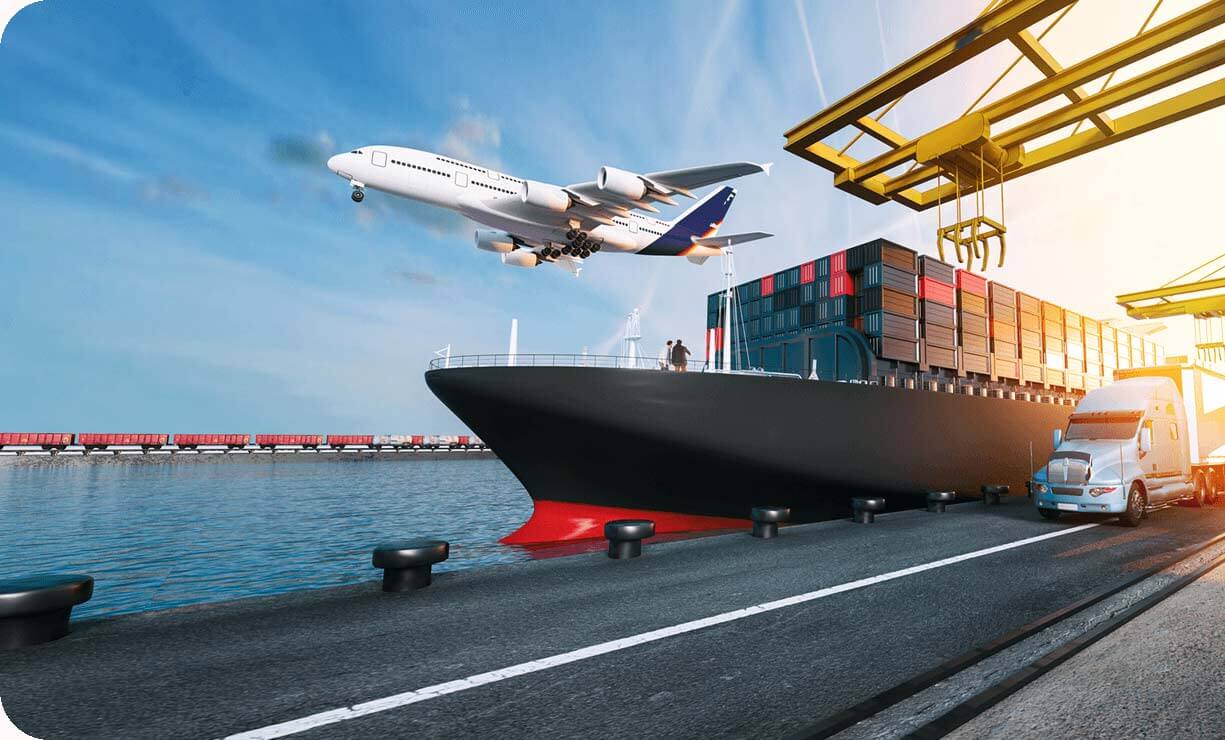
3) Shipping Options: Sea Freight vs. Air Freight
Most families choose sea. However, air freight works when speed matters.
3.1 Cost & Time Overview
| Mode | Typical Use Case | Transit Time* | Price Guide** | Capacity Notes |
| FCL (20ft/40ft) | 2–4 bedroom homes | 4–7 weeks (origin dependent) | 20ft: US$4,000–8,000; 40ft: US$6,500–12,000 | Exclusive container; minimal handling |
| LCL (Shared) | 1–2 bedroom or partial loads | 5–9 weeks | US$900–3,500 (volume-based) | Consolidated; cost-effective below ~12–15 m³ |
| Air Freight | Essentials, high-value items | 5–12 days | US$7–12/kg chargeable weight | Fastest; strict prohibited items list |
* Transit time includes sailing/flying days only; add origin packing and destination delivery time to estimate door-to-door.
** Prices vary by season, fuel, surcharges, and exact route; use as planning ranges.
4) How Much Does It Cost to Move to Hong Kong?
Costs depend on volume, service scope, and timing. The table below shows typical door-to-door ranges for household moves from major global regions.
4.1 Door-to-Door Budgeting (All-In Estimates)
| Origin Region → Hong Kong | 1–2 BR (LCL) | 2–3 BR (20ft) | 3–4 BR (40ft) | Air Essentials (200 kg) |
| North America | US$2,200–4,200 | US$5,000–9,000 | US$7,500–13,500 | US$2,000–3,000 |
| Europe | US$1,900–3,800 | US$4,800–8,500 | US$7,200–12,500 | US$1,800–2,800 |
| ANZ | US$1,600–3,400 | US$4,200–7,900 | US$6,600–11,800 | US$1,700–2,600 |
| Middle East | US$1,800–3,600 | US$4,500–8,200 | US$7,000–12,000 | US$1,800–2,700 |
| SE Asia | US$1,200–2,400 | US$3,300–6,200 | US$5,400–9,500 | US$1,100–1,800 |
Currency tip: 1 US$ ≈ 7.8 HKD (planning rate). Many suppliers can quote in HKD on request.
4.2 What’s Usually Included
- Professional export packing, materials, labeling, and inventory.
- Origin handling and freight to Hong Kong.
- Destination customs clearance and delivery, basic reassembly, and debris removal.
4.3 What’s Often Excluded
- Insurance (see §7).
- Stair carry, long carry, or shuttles if the truck can’t reach your building.
- Parking permits, elevator bookings, or after-hours charges.
- Storage (origin/destination).
- Duties & taxes on dutiable goods (alcohol, tobacco, etc.).
- Uncrating for custom cases or large art unless specified.
5) Customs & Import Regulations in Hong Kong
The good news: household goods and personal effects are generally duty-free if they are used and imported for personal use. Nevertheless, some categories require attention.
5.1 Documents You’ll Typically Need
- Passport copy and visa/entry record.
- Inventory/Packing list with values.
- Proof of residence in Hong Kong (tenancy or employer letter).
- Authorization for the agent to clear customs.
- For vehicles, pets, or special items: permits as applicable.
5.2 Dutiable/Controlled Items (Examples)
| Category | Notes |
| Alcohol & Tobacco | Dutiable; quantities and declarations matter. Many clients ship small cellars separately or avoid shipping entirely. |
| Vehicles | Import requires approvals; most households do not ship cars due to cost and parking constraints. |
| Pharmaceuticals & Medical Devices | Certain items require permits; pack separately and list clearly. |
| Weapons, Airsoft, Ammunition, Knives | Heavily regulated; consult your mover before packing. |
| Foodstuffs | Shelf-stable, sealed items may pass; however, avoid large quantities. |
| Lithium Batteries | Restricted in air freight; declare and pack according to IATA rules. |
Tip: Keep original invoices for new, high-value electronics. Although most used household goods clear smoothly, proper documentation prevents delays.
6) Packing Strategy That Protects Your Goods
A smart packing plan reduces transit risk and insurance cost.
- Export-grade materials: double-walled cartons, edge protectors, bubble and foam.
- Furniture wrapping: corrugated card + blanket + stretch wrap.
- Crating: use ISPM-15 treated wood crates for art, glass, marble, and pianos.
- Electronics: original boxes if available; otherwise, foam-in-place or custom crates.
- Color-coded labels: by room and priority (“Open-First”).
- Separate air vs. sea: essentials box (bedding, work gear, kids’ items) goes by air freight.
7) Moving Insurance (Don’t Skip This)
Even with careful packing, international transit carries risk. Choose a policy that matches your tolerance.
| Coverage Type | What It Means | Typical Cost |
| All-Risk (Full-Value Protection) | Covers accidental loss/damage during the door-to-door move, subject to policy terms and declared values. | 2.5–4.0% of declared value |
| Total Loss Only | Covers catastrophic loss (e.g., container lost); excludes partial damage. | 0.9–1.5% of declared value |
| Pairs & Sets / Depreciation Clauses | Check wording; it impacts claims on sofas, dining sets, etc. | — |
Claims tip: Photograph high-value items during packing. Moreover, list serial numbers for electronics on your valued inventory.
8) Timeline: From Survey to Delivery in Hong Kong
Create buffer time for building bookings and lift access.
| Step | Lead Time | Notes |
| Survey & Quote | 1–3 days | Virtual surveys accelerate pricing. |
| Booking & Insurance | 2–5 days | Confirm sailing/flight and policy. |
| Packing & Load | 1–3 days | Size-dependent; high-rise access may extend. |
| Ocean Transit | 14–35 days | By origin; see §3.1. |
| Air Transit | 1–5 days | Airport-to-airport; customs adds time. |
| Customs & Delivery | 3–7 days | Paperwork readiness speeds this up. |
9) Housing, Neighborhoods & Storage
Although Hong Kong is dense, you’ll find diverse areas:
- Mid-Levels & Central: close to offices; premium rents; compact layouts.
- Pok Fu Lam & Cyberport: family-friendly, sea views, good international school access.
- Kowloon (Kowloon Tong, Tsim Sha Tsui): larger flats or houses in select pockets.
- New Territories (Sai Kung, Sha Tin): village houses and outdoor lifestyle.
- Discovery Bay & Tung Chung: convenient to airport; community vibe.
9.1 Typical Setup Costs (Indicative)
| Item | Range (HKD) | Notes |
| Security Deposit | 1–2 months’ rent | Often refundable; verify clause. |
| Agency Fee | Half to 1 month’s rent | Negotiable for longer leases. |
| Utilities Deposit | 1,000–3,000 | Electricity, gas, water. |
| Furniture (top-up) | 10,000–60,000 | Depends on what you ship. |
| Short-Term Storage | 35–55 HKD/ft²/month | Climate control costs extra. |
10) Schooling & Family Logistics
- International schools: English-medium curricula (IB, A-levels, AP). Apply early.
- Local schools: excellent academics; language immersion opportunities.
- Childcare: domestic helpers are common; ensure contract compliance.
- Pets: arrange pet relocation early (vaccinations, microchip, airline-approved crates).
11) Healthcare, Banking & Daily Life
11.1 Healthcare
- Public hospitals provide strong care at reasonable cost.
- Many expats add private insurance for shorter wait times and wider networks.
- Bring medical records; list ongoing prescriptions clearly.
11.2 Banking & Admin
- Open a local HKD account for rent and utilities.
- Apply for HKID once eligible; it simplifies services and mobile plans.
- Most stores accept Octopus and contactless cards.
11.3 Getting Around
- MTR is fast and frequent; buses and minibuses fill gaps.
- Taxis are affordable for short hops.
- Parking is limited; therefore, most newcomers skip cars.
12) What You Should Not Ship
To avoid delays, keep these out of your cartons:
- Perishables, aerosols, flammables, propane tanks, fireworks.
- Paints, solvents, cleaning chemicals.
- Opened liquids that can spill.
- Cash, jewelry, passports (hand-carry instead).
- Lithium batteries in air freight unless properly declared.
13) Sustainability: Move Greener
- Choose LCL consolidation when volumes are small.
- Reuse cartons; opt for recycled packing paper.
- Donate or sell unneeded items before shipping.
- Schedule a debris pickup after you unpack.
14) Sample End-to-End Budget (Family of Four)
Scenario: 3-bedroom household, 20ft FCL, Europe → Hong Kong, standard service.
| Cost Component | Amount (US$) |
| Export packing & origin handling | 2,300 |
| Ocean freight & surcharges | 2,100 |
| Destination handling & delivery | 1,450 |
| Insurance (All-Risk at 3% of US$40,000) | 1,200 |
| Building handling (lift booking, permits) | 180 |
| Storage (8 weeks, if needed) | 480 |
| Estimated Total | 7,710 |
Note: Excludes duties for alcohol/tobacco and optional handyman or picture hanging.
15) Choosing the Right International Removal Company
Great movers do more than lift boxes. They coordinate every step.
- Credentials & Network: FIDI/FAIM, IAM or similar accreditation, plus a strong partner in Hong Kong.
- Transparent Quotes: itemized inclusions and exclusions; clear packing list.
- Claims Handling: in-house claims team; practical guidance.
- Communication: single point of contact; regular tracking updates.
- Flexibility: storage, air freight for essentials, weekend deliveries if your building allows.
16) Your “Open-First” Essentials List
Pack this in one or two clearly labeled cartons (or send by air freight):
- Bedding and towels
- A week’s clothing
- Work laptop, chargers, adaptors
- Basic cookware and utensils
- Toiletries and a simple first-aid kit
- Children’s favorites and school items
- Multi-plug & power strip (check voltage and plug type)
- Important documents (hand-carry passports)
17) Move Day in Hong Kong: What to Expect
- Access & Permits: We pre-book the building’s loading bay and lift.
- Protection: Floor runners and door guards prevent scuffs.
- Unpack & Place: Furniture assembled; cartons opened on request.
- Debris Removal: Packing waste cleared the same day.
- Walk-through: You sign delivery notes; we log any service items.
18) Risk-Free Checklist (Print This)
- Confirm visa timeline and HKID eligibility.
- Choose FCL/LCL or air freight mix.
- Sign the valued inventory for insurance.
- Separate prohibited or dutiable items.
- Reserve building access at both ends.
- Prepare Open-First cartons.
- Keep passports, jewelry, and cash out of shipment.
- Share floor plan for furniture placement.
- Schedule debris pickup after unpack.
19) Glossary: Speak Like a Pro
- FCL: Full container load, exclusive container (20ft/40ft).
- LCL: Less than container load, shared container by cubic meter.
- All-Risk: Insurance covering most accidental damage/loss (policy terms apply).
- Dutiable Goods: Items subject to import duty, e.g., alcohol or tobacco.
- Valued Inventory: Itemized list with replacement values for insurance.
- Lift-Van: Wooden case for LCL moves.
20) Why Clients Choose Us for Moving to Hong Kong
- End-to-end ownership: one coordinator, no hand-offs.
- Tailored options: sea, air, or hybrid to match time and budget.
- Predictable pricing: clear, written scope—no surprises.
- Aftercare: handyman, TV mounting, picture hanging, and storage solutions.
- Care for details: clean-up, polite crews, and flexible delivery windows.
Final Word
You’re moving to one of the world’s most efficient cities. With the right international movers, a solid packing strategy, and precise paperwork, your relocation to Hong Kong can be smooth, predictable, and—dare we say—enjoyable. If you’d like, share your approximate volume (m³) and target date, and we’ll sketch a tailored door-to-door plan with exact figures and timelines
FAQs on Moving to Hong Kong
Rough guide:
1–2 BR: LCL or small 20ft
2–3 BR: 20ft
3–4+ BR: 40ft
Your survey volume decides.
Air: ~5–12 days door-to-door. Sea: ~4–9 weeks door-to-door depending on origin, port schedules, and building access.
Ship quality pieces you love; buy or rent the rest. Apartments can be compact, so measure doorways and lifts, and share floor plans with your mover.
Plan for 1–2 months’ deposit, agency fee (up to one month), and utilities deposits, plus any initial furniture purchases.
Create an Open-First plan: air ship (or hand-carry) essentials, then let sea freight follow. Consequently, you land, settle, and work without disruption.