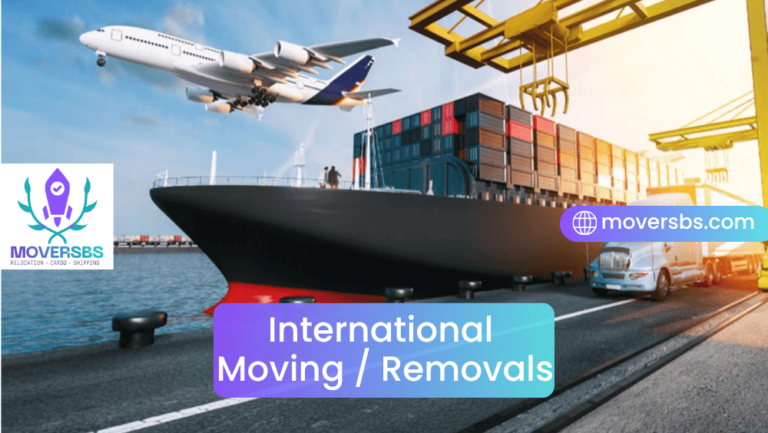

Planning an international relocation can feel daunting at first. However, with a clear road map, you can turn a complex project into a series of manageable steps. This guide from Movers BS walks you through everything from visa and customs to packing,shipping options and budgeting so you can move abroad with confidence
Why International Moves Need a Different Plan
Moving across borders isn’t just “more of the same.”Instead,it involves customs rules,import taxes, international moving insurance and often sea or air—freight.Additionally,timelines stretch from days to weeks.Therefore,a structured plan helps you reduce surprises,control costs and avoid delays.
Month-by-Month Timeline (Start 3–6 Months Out)
6 Months Before: Research & Decisions
First,choose the country you want to go to and make sure you meet the visa or residency requirements.Next, make a list of international moving companies that meet FIDI, FAIM or similar quality standards.Then, make a list of everything in your home to figure out what to ship, sell, or store. Finally, get together important papers like passports, birth or marriage certificates, vaccination records and pet papers.
4 Months Before: Quotes & Compliance
At this stage, request in-home or virtual surveys. Reputable international movers estimate volume in CBM and provide LCL or FCL options. Moreover, ask for door to door and door to- port quotes. Meanwhile, check prohibited items and customs duties at destination, and start downsizing.
Table of Contents
Toggle3 Months Before: Booking & Paperwork
Now, choose your mover and lock your sailing window or air freight date. In addition, apply for any work permits, school transfers, and health insurance abroad. Then, set aside funds for import taxes, port handling charges, and destination delivery.
2 Months Before: Packing Prep
Make packing lists that are very detailed.If you’re shipping fragile items internationally, you should also buy wooden crates that have been certified by ISPM 15.If necessary, set up shipping for vehicles and moving pets. Also, make sure that you have temporary housing and storage at your destination.
1 Month Before: Final Arrangements
Confirm pick-up dates, insurance coverage, and contact numbers. Then, update your change of address. After that, cancel or transfer utilities, internet, and subscriptions. Lastly, set up mail forwarding and bank notifications.
Moving Week: Execution
On packing day, supervise labeling by room and contents and photograph high-value items for insurance. Next, confirm your Bill of Lading, inventory, and insurance certificate. Finally, keep passports, visas and essentials in your carry on.
Arrival: Customs & Delivery
When your shipment lands, your destination agent coordinates customs clearance. After release, your goods move to your new home for unpacking and debris removal. Consequently, you can settle faster and start your new chapter.
Understanding International Shipping Methods
Sea Freight: LCL vs. FCL
Most household moves travel by sea freight because it offers the best price per cubic meter.
- Less than Container Load: Your items are in the same container as other items.This choice is good for shipments that are small to medium sized (3–15 CBM).But it involves either consolidation or deconsolidation,which makes the trip take longer.
- FCL (Full Container Load): You get a 20 foot or 40 foot container to yourself.Consequently,this option reduces handling, shortens transit and protects privacy.
Typical Capacities (Approximate):
| Container | Internal Volume | Good For | Example Load |
| 20-foot container | ~33 CBM | 1–2 bedroom home | 25–30 medium boxes + furniture |
| 40-foot container | ~67 CBM | 3–4+ bedroom home | Full household + bikes/appliances |
Helpful conversion: 1 CBM ≈ 35.3 cubic feet.
Air Freight
Air freight gets there in days instead of weeks.So, it’s best for shipments that are urgent, high value or small.The cost is higher per kilo,but the speed and ability to track the chain of custody make it worth it.
Door-to-Door vs. Door-to-Port
- Door-to-Door: The mover collects, packs, ships, clears customs (with your authorization), and delivers to your new home. It costs more but saves time and stress.
- Door-to-Port: The mover handles origin services, packing, and shipping. You or a destination agent you hire—manage customs clearance and final delivery.
Pro tip: Beginners should choose door-to-door unless they know the destination rules well.
What Drives International Moving Costs?
International moving prices vary by volume or weight, origin or destination, season, service level and access at both addresses. Furthermore, elevator access, long carries and shuttle trucks increase labor costs.
Typical Cost Ranges (Illustrative)
These figures are broad estimates for household goods (regular service, sea freight). Actual quotes depend on survey volume and routes.
| Route (Door-to-Door) | Small Move (5–10 CBM) | 1–2 BR (15–33 CBM, LCL/FCL 20’) | 3–4 BR (40’ FCL) |
| Intra-EU | $1,800–$4,000 | $3,500–$7,500 | $6,500–$12,000 |
| US → EU/UK | $2,200–$5,500 | $5,500–$9,500 | $9,000–$16,000 |
| Asia → EU/US | $2,000–$5,000 | $5,000–$9,000 | $8,500–$15,000 |
| Australia/NZ ↔ EU/US | $2,400–$5,800 | $5,800–$10,500 | $10,000–$18,500 |
Additional fees to consider: marine insurance, port charges, customs duties/taxes, storage, stairs/elevator fees, crating, and destination parking permits.
International Moving Insurance: Don’t Skip It
Even great movers face rough seas and crane handling. Therefore, protect yourself with All-Risk comprehensive coverage. You’ll complete a Valued Inventory for declared value. Alternatively, Total Loss policies cost less but only pay if the entire shipment is lost.
- All-Risk: Covers partial breakage or missing items; requires professional packing in most policies.
- Named Perils/Total Loss: Lower premium; limited scenarios.
Tip: Photograph valuables and keep receipts. Moreover, note the deductible and exclusions (art, jewelry, cash, perishable goods).
Documents & Customs Clearance
Although rules vary, most shipments require these:
- Passport copies
- Visa or residence permit
- Detailed inventory (in English and local language if required)
- Bill of Lading / Air Waybill
- Proof of residence at destination
- Tax ID (if applicable)
- Power of Attorney for destination agent
- Receipts for high-value items (if customs ask)
Some things that are not allowed are alcohol,food,aerosols,flammable items,guns or ammo,plants or soil and some medicines.So,check for things that are not allowed early to avoid fines or having them taken.
Smart Packing for Long-Distance Shipping
What to Pack vs. What to Leave
Start with a needs based approach. Pack sentimental items, essentials, and hard-to-replace documents. Conversely, sell or donate bulky, low-value furniture to cut volume. Then, replace them at destination if needed.
Materials That Survive Ocean Travel
Use double walled cartons, anti moisture desiccants, and ISPM-15 crates for fragile or valuable pieces. Additionally, wrap electronics in anti static bubble and pack screens vertically in TV boxes.
Labeling & Inventory
Number every box and note room, contents, and condition. Meanwhile, match labels with your Valued Inventory for insurance and customs.
How to Choose the Right International Mover
Because your household depends on it, you need a vetted partner:
- Global network: Look for destination agents and long-term partners.
- Certifications: FIDI/FAIM or similar quality marks signal audited standards.
- Transparent surveys: Video or in-home surveys with itemized CBM estimates.
- Clear pricing: Door-to-door inclusions, fuel surcharges, and accessorials noted upfront.
- Claims process: Ask for sample policy wording and average claim resolution times.
- Reviews: Beyond star ratings, read case stories and issue handling examples.
.
Pet Relocation & Vehicle Shipping
Pet Relocation
Firstly, verify import rules for vaccinations, microchips, and quarantine. Some countries require rabies titers months in advance. Therefore, book pet relocation specialists early. Use IATA-approved crates, and train your pet to rest inside before flight day.
Car or Motorcycle Shipping
You can ship vehicles in a Ro-Ro vessel or inside your FCL container. However, clean the vehicle, drain fuel to required levels, and prepare ownership documents. Additionally, confirm homologation rules and emissions standards at destination; some cars cannot be registered without modifications.
Air vs. Sea: When Speed Beats Price
Choose air freight for:
- Tight start dates (new job, lease, school)
- Essential personal effects (documents, work gear)
- High-value, fragile items that need minimal handling
Choose sea freight for:
- Full households
- Cost efficiency
- Non-urgent timelines
Hybrid strategy: Ship essentials by air, the rest by sea. Consequently, you start life abroad while the bulk arrives later.
Common Mistakes to Avoid
- Underestimating volume: Misjudging CBM leads to price changes or over—flow charges.
- Skipping insurance: The ocean can be unforgiving; protect your goods.
- Packing restricted items: Customs delays can snowball into storage fees.
- Late planning: Last-minute bookings reduce date options and raise costs.
- Incomplete documentation: Missing papers delay customs clearance.
Budgeting Worksheet (Quick Reference)
Use this simple checklist to build your budget:
| Item | Estimate | Notes |
| Packing & Origin Services | $700–$2,000 | Based on volume and complexity |
| Ocean/Air Freight | $1,000–$8,000+ | Route and mode dependent |
| Marine Insurance | 1.5%–3.5% of declared value | All-Risk vs. Total Loss |
| Port/Terminal Charges | $200–$800 | Origin and destination |
| Customs Duties/Taxes | Varies | Country-specific, exemptions may apply |
| Destination Delivery | $500–$2,000 | Access, stairs, long carry |
| Storage (if needed) | $100–$400/month | Short or long term |
| Misc. (permits, parking) | $50–$300 | City regulations |
Tip: Always add a 10–15% contingency for unexpected fees.
The Ultimate International Moving Checklist
- Visas/permits approved
- Mover booked with confirmed dates
- Insurance bound (policy and values documented)
- Customs paperwork organized
- Prohibited items removed
- Packing list and inventory completed
- Essential documents in carry-on
- Change of address and bank notifications done
- Utilities canceled/transferred
- Temporary housing secured
- Destination agent contact saved
Transitioning After You Arrive
Test your electronics and appliances right after they arrive.After that,write down any damage or loss on the delivery report and let your mover know so they can start the claims process.Next,sign up for local services like healthcare,banking and mobile. Lastly, join groups for expats to get help from others and get useful tips.
Glossary of Must-Know Terms
- CBM (Cubic Meter): Volume measurement for shipments.
- LCL/FCL: Shared vs. full container loads.
- Bill of Lading (B/L): Contract and receipt for sea shipments.
- Air Waybill (AWB): Transport document for air shipments.
- Demurrage/Detention: Fees for exceeding free time at port or keeping containers too long.
- ISPM-15: Standard for treated wood packaging.
- Ro-Ro: Roll on or roll off shipping for vehicles..
- All-Risk: Comprehensive moving insurance coverage.
Sample Timeline at a Glance
| Timeframe | Key Actions |
| 6 months out | Research movers, visas, destination rules |
| 4 months out | Get surveys, compare LCL/FCL quotes |
| 3 months out | Book mover, start documents, reserve dates |
| 2 months out | Packing plan, pet/vehicle steps, downsizing |
| 1 month out | Confirm insurance, cancel utilities, mail forwarding |
| Move week | Pack, label, sign B/L, carry documents |
| Arrival | Customs clearance, delivery, claim if needed |
Final Thoughts
International relocation brings challenge and excitement in equal measure. Yet, with a step-by -step plan, you control the timeline, budget and experience. Therefore, start early, choose a reputable international mover and keep documents organized. Consequently, you’ll land smoothly and settle faster.
FREQUENTLY ASKED QUESTIONS
1. How much does an international move cost?
The cost depends on the volume (CBM), the route, and the level of service. Small shipments can cost between $1,800 and $5,000, while full households can cost between $6,500 and $18,500 or more. Add in insurance, port fees, and any possible customs duties.
2. How long does international shipping take?
Air freight takes 3–10 days door-to-door, while sea freight often runs 4–10 weeks depending on route, consolidation, and customs.
3. What is the difference between LCL and FCL?
LCL shares a container and suits smaller volumes; FCL reserves a 20’ or 40’ container and usually arrives faster with less handling.
4. Do I need moving insurance?
Yes. Because ocean and handling risks exist, All-Risk coverage protects individual items, provided professionals pack them.
5. Which documents do I need for customs clearance?
Typically, passport, visa or residence permit, inventory, B or L or AWB and proof of residence.Some countries require tax IDs and specific forms.
6. Can I ship my car or motorcycle?
Yes. You can choose Ro—Ro or ship inside an FCL. Verify destination registration rules, emissions standards, and prep requirements.
7. What items are prohibited or restricted?
Commonly restricted goods include alcohol, food, aerosols, flammables, weapons, plants/soil, and certain medications. Always check destination rules.
8. Is door-to-door worth it?
For first time movers, door-to-door reduces stress and coordination. Although it costs more than door-to-port, it saves time and helps avoid clearance mistakes.
9. How do movers calculate volume?
10.When should I book my mover?
Ideally, 8–12 weeks before you plan to ship. However, during peak seasons, book even earlier to secure your preferred dates.